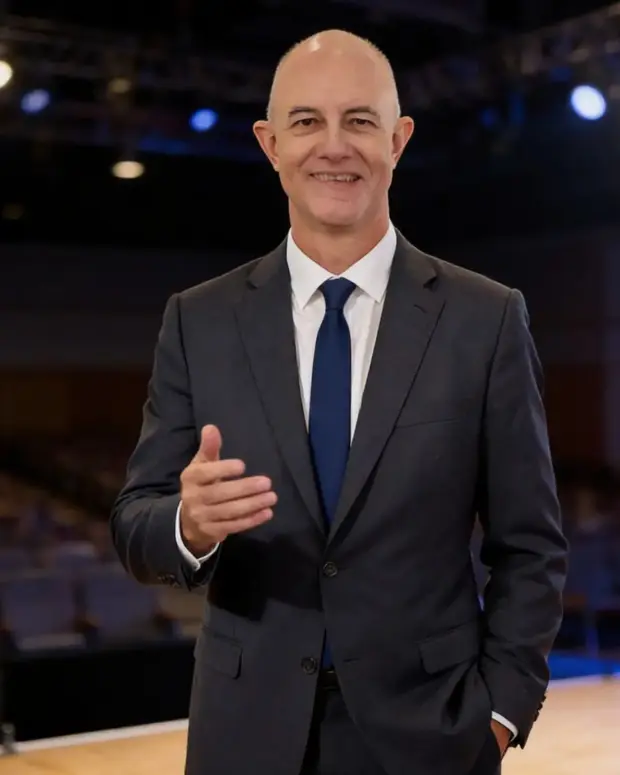
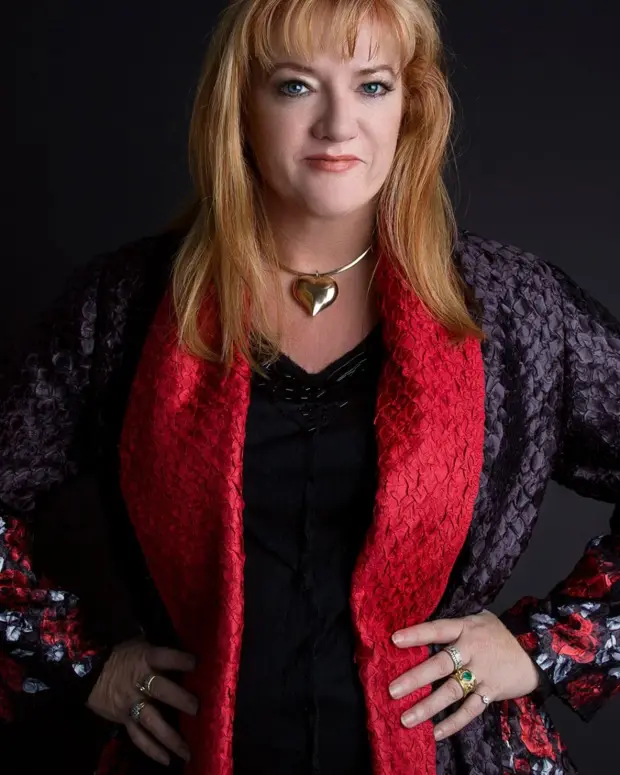
Transcript from the episode recording, with speaker names added and paragraphs formatted for readability. Automated transcription may contain errors; the audio is the original record.
Brad Hauck 00:14
Welcome to The Experts Journey. This week we're going to have a look at what you should charge as an expert. There's so many conversations that we've had over the years about this topic, and I know that you would have had them with your friends too. As an expert, you know a lot. So your information is worth a lot. But how much are people prepared to pay? Today we're going to go deeper into that and we're going to look at some of the things that we've learned over the years to help you decide where you should start that.
Good morning, Dixie.
Dixie Carlton 00:42
Good morning, Brad. How are you today?
Brad Hauck 00:44
I'm good, thanks.
Dixie Carlton 00:46
Excellent. Handling winter okay?
Brad Hauck 00:48
Getting there. I was just down in the snow last week, but I must admit it feels colder in Queensland because the houses aren't heated.
Dixie Carlton 00:54
Yep. Yes, that's always a problem.
Brad Hauck 00:58
Yeah.
Dixie Carlton 01:02
It's pretty cold in New Zealand, but I've just come back from a heat wave in New York, so I'm kind of doing it a little bit harder than usual.
Brad Hauck 01:09
So it's all good. Well, hopefully the cold will pass shortly, and you will be all right heading into September. So it'll be nice and warm.
Dixie Carlton 01:18
So yes, for sure. So great topics. Yes.
Brad Hauck 01:25
Looking at the pricing of ourselves, and it's not an easy one. It's certainly one that I've seen many people struggle with, myself included, over the years. And you get a range of different advices. So certainly from being an author and moving into other areas, how do you value yourself? How do you price yourself? So, how has becoming an author changed the way you think about the value of your expertise?
Dixie Carlton 01:49
Well, for me, I've heard this for years that if you're an author, you've got a better chance of getting an opportunity to speak. And therefore, you are also perceived as being more of an expert. So therefore, there is value in your expertise. I think it goes beyond the book, though, in that if you are going to value yourself as a speaker and as an author who speaks, then you need to look at the overall big picture of, well, what are you speaking on? What sort of audiences are you speaking for? And what are they prepared to pay?
And the first time I ever heard myself say out loud that I was charging several thousand dollars for a presentation, I remember thinking, I just have to maintain the straight face and not let the person that I'm sitting here across from realise that I've never said that out loud before. And I hear a lot of or uh a lot of speakers say that. It's like, oh, that's stepping into a big thing. Maybe they'll just laugh at me. But I think first we need to look at our own value and how we are perceived as valuable, but also what sort of audiences are we pitching ourselves for?
What are they prepared to pay? What sort of budget do they want to share with you?
Brad Hauck 02:58
Yeah, I think there's a misnomer about the fact that if you have a book, you can get paid more as a speaker. There's some little caveats we need to put on there, and one of them is that you need to have sold quite a lot of copies for that to actually carry weight. Yes, in some countries it might be seen that way, but I think that's changing because a lot of top speakers now do have books, and a lot of people are writing books a lot more than say previously in the past. And that's due to the change in the printing industry, the fact that anyone can go to Amazon and have a book printed these days.
So just having a book is probably not enough. And we talk about building a business around a book and being known. I think that's also part of it. If you're a New York Times bestseller, obviously, then your book's going to carry a bit away, it's going to open up opportunities for you and things like that. But if you've just written a book and you've sold 10 copies to your family, it doesn't really have the same impact on someone who's booking a speaker.
Dixie Carlton 03:56
Absolutely. And I think there's a huge variation in being, as you say, a New York Times or a USA Today bestseller, of which you have to have achieved a certain amount to get onto those lists. Being an Amazon bestseller is in some instances worthy of note for you as a speaker. But I I think it's more if you have sold a certain number of copies, if you are recognized as an industry bestseller, if you have a million copies sold, certain people reviewing your book, if they are really well known or famous people. Those sort of things potentially carry more weight.
And also how many books you've sold or how many books you've produced or published. There's a big difference between someone who's written one book versus someone who's written half a dozen or even a couple of dozen books. And that means across the similar topics. So not just, you know, 10 books across 10 different subjects. So I think you have to look at the overall value that you are placing on yourself and how you are sharing that value. And so if you are pricing your book based on your time, your confidence, that's a really big part of it.
Looking at the market, or maybe you want to look at the transformation that you provide. So for example, if you can say, as part of your speaking pitch, for example, these are the things that are the takeaways. This is what people will get when they've worked with me, or this is the book that will go with my presentation, or this is the presentation that is part of reflecting back on my book.
Brad Hauck 05:32
Yeah, absolutely. I mean, many people use books as part of the presentation. You book me, and I'll give you a copy of my book as well for everybody in the room. And if you build your speech a certain way, you can basically work out a chapter one of your book, and then everybody can continue reading. They take a bit of you away to read afterwards. And that's right. There's that side of things. So you can package things up and charge more for that. Plus, you also build that ongoing learning for the people in the room.
And you do need to look at all of the other aspects. As you mentioned, your market is one. Some markets pay high dollars for ideas, others don't. Your standing within the market. If you're the lead person in your market and you've been doing it for 20 years and you're head of the biggest company, you're going to have a greater impact than, say, someone who's just started in that market. So there's a lot to be looked at. Now, all of those things can be worked on, and we can grow our skills in that area. And certainly working with someone who's a specialist in marketing in that area to work out how you step up through those things is really important.
But don't just jump to conclusions because someone says, Oh, you've written a book. Well, you should be charging 10,000 bollens.
Dixie Carlton 06:48
Exactly. And the other thing too to remember is that sometimes you may end up being able to say, Well, this is the budget that I expect, or this is the payment that I expect as a speaker from your speaking budget. But if I also make sure that my book is available, then maybe that comes out of the marketing budget or an additional budget that the conference organizer has. So you may want to split how you get the payment based on how they wish to structure the payment. So don't overlook the fact that if you've got a good quality book and it does reflect well on your keynote, that you can also make that available as an additional add-on or a value added rather than necessarily commanding your full fee or the perceived full fee.
Brad Hauck 07:31
Yeah. And also it's worth discussing when we talk about charging, we're talking about undercharging because often people worry about charging too much. Undercharging is also an issue with this industry. And you see people who are new and they've got a book and they're looking at other engagements and but they're charging far too little, they're undervaluing themselves. And I think one of the greatest things I was ever taught by some of my mentors is what value are you bringing? For example, if I do some work on someone's website and I fix their SEO and they rank up and they become number one in their industry, then I'm bringing tens of thousands of dollars a month in, sometimes hundreds or millions of dollars a month in of value to that business.
And as an author, as a speaker, you've also got to look at it from that way as well. If you've got people in the room and you're teaching them key information that can really dramatically change their success, whether it's the success of their business or their personal success, it makes no difference. The information is worth a lot of money. So you need to price yourself accordingly. And one of the things I was told was, how much would you charge for a one-on-one to advise someone on this? And would it be this is a hundred bucks, or would it be, no, this is a ten thousand dollar session?
And look at maybe if you were charging, say, $500 per person for half an hour to do this with them, then extrapolate that out a little bit across a room and work out a fair cost because you are giving people valuable information. And if you're not, then look at what you're giving them so that you are pushing out that really extreme value.
Dixie Carlton 09:14
That's a really good point. And the other part, too, is that if you are charging a certain amount of money for a keynote versus for a workshop or for a breakout session or for a program, then you've also got to think about it in those terms. Is it that you're being paid as a keynote? Because as a keynote, you're probably going to get a lot more than if you're just doing a workshop within a conference. But if you're doing a workshop as an additional cart to a conference, or instead of necessarily doing a keynote for a conference, then again, you've got to be thinking about, well, what is the value that you're taking in?
How long is the workshop for? What are the takeaways that the people are going to be able to rely on after the event? And what additionally are you following that up with? What resources are you giving people?
Brad Hauck 10:02
Absolutely. You've got obviously the keynote, your book, all those elements, but then all of the things that sit behind your book are really important as well. So, yes, your keynote, your workshops, your advisory, coaching, consulting, or programs. But even there, I mean, I've done this myself. I was running a program and I was charging $49 a month for people to join the program. And when I went and did the research, I was told quite clearly that it shouldn't be less than I was actually undervaluing the power of the knowledge that I was giving people. But I felt guilty because I wanted people to have the opportunity to join.
And it's going when I looked at it, everyone's saying to me, yes, but people aren't joining because they're not seeing value there at that price. They're thinking it's just lightweight. Whereas when you charge more, people perceive it also as maybe being better information. So there's so much psychology goes on.
Dixie Carlton 10:59
And this is another really interesting point with regards to that, is that sometimes when we're new, we don't think we should be charging as much. Or if we're thinking, well, this is just something that 500 people are going to sign up for, and I can therefore justify it being $100 per person. Then you're thinking in terms of the wrong business model. If you're new, but you have still got extreme value and a current book, and you can 100% guarantee the value that you're giving people when they've attended your event or been in your audience, just being new to being a speaker is not necessarily an excuse for undervaluing what you're what you are bringing to the party and what you're going to charge.
Like I've talked to a number of speakers over the years where they've said, felt really bad, sort of saying I was going to charge $1,000 because, well, it's only one hour that I'm going to be speaking for. And I'm relatively new to this. This is something that I've only done half a dozen times. Well, there's a couple of things to unpack there. One is how good are you on stage? Two, how good are you at your particular area of expertise? And three, what is it that people are expecting from you? If you are charging what you are worth, let's say it's a five or a $10,000 event and you're going to be speaking for only one hour, but you've got all of this preparation behind you.
It's like the guy who did the Henry Ford story, I think it is, where he goes and spends two minutes fixing one little thing and knows how to tighten the screw, and the guy is confused about why he's charging so much. And he says, There's all of these years of experience that have brought me to the point where I knew what to do in two minutes rather than you paying someone who's less experienced for 10 hours of time. It's that same kind of concept. You have to know that your value comes from all of the years that you've put into becoming that expert, not just the one hour of in front of audience time.
Brad Hauck 12:57
Absolutely. And there's another thing to consider too, when you're new, just because you're new doesn't mean you don't know something that no one else knows. An example of this is, for example, doing videos, viral videos. If I was to go to businesses, I could guarantee that 99.9% of businesses do not know how to shoot a viral video.
Dixie Carlton 13:21
Yeah.
Brad Hauck 13:21
You may be really young and new, but that information is invaluable. People don't know it, and everybody wants a viral video. So the value of your information is so much higher than you perceive. It's got nothing to do with being new, it's the fact that it's unique. You found something special that makes you so different to everybody else in the market. And many authors actually fall into that category, but they don't know it. They don't realize they've discovered something completely unique.
Dixie Carlton 13:52
Yeah, exactly. And that happens again and again. And I think we as a society undervalue or have a perception of undervaluing young people. When in actual fact, some young people know significantly more and have huge value that surpasses someone who's been doing things on stage or writing half a dozen books for a number of years. So I think we need to rethink as a society the value of what expertise should be placed, how we should value expertise.
Brad Hauck 14:24
Absolutely. And I think that's the key word again, value. There's the value of the information is very high from a business perspective. So therefore it's actually worth a lot of money.
Dixie Carlton 14:35
And if you are feeling insecure about how good you are at delivering on stage, and you are expecting or you are being offered a huge amount of money to be a keynote speaker or a significant workshop facilitator within a conference setting, then focus on making sure that you deal with those things that are making you feel insecure about charging that kind of money. It doesn't take a lot of effort to actually practice and understand the industry and get good and feel that you are huge in delivering that value. Awards that you may have won, being really competent on stage, being a great storyteller, making sure that everyone in the audience leans forward, sits up, and takes notice of what you're saying, is just a matter of learning the craft and hard to do.
Brad Hauck 15:22
And you can find people to help you with that. And there's lots of people in industries who can turn you into a better speaker. There's no doubt about it. And it's probably worth the investment if you're being asked to speak at big conferences and being paid big money. Because a little bit of advice goes a long way, especially from a practical perspective. Performing in front of someone who's an expert, they'll pick up all your nuances and fix them. And it's amazing the stuff that you learn, certainly from being involved in a speaking organization. Just how to use a stage alone is just a massive thing.
So yeah, don't feel that you're out of your depth. There is people who can help. Yeah. And you know, the old story, you know, bite off a large chunk and chew like heck. Because opportunities don't always come around too often. So you should really grab them. I always try and say yes as much as possible, not no, because I think it gives you opportunities that you won't have if you don't at least take a shot at them. And practice solves most problems, let's face facts.
Dixie Carlton 16:22
And then the other thing you want to be thinking about is what paid offers could you have that naturally sit behind your book? For example, when you're do developing your book and you're thinking about the book, even at the beginning of starting the book, start with the end in mind, what sort of workshops could you offer? What are those what sort of coaching or consulting programs could you also develop as part of just writing the book? And how do you then make sure that you market those from the stage and also from the pages? So you really want to be thinking about the book as being part of the business plan.
And like any good business plan, you've got to start with the end in mind. What it is it that you were actually wanting to achieve with this? And how do you make sure that adds to your value, your perceived value as the expert that you are?
Brad Hauck 17:11
Absolutely. And look, that probably brings us to our final question was what would you need to change for you to feel comfortable charging at the next level? Me, I was told to just go stand in front of a mirror and start saying it to someone. I charge $10,000 to speak. And that's a hard thing when you think you're a $1,000 speaker. But to be able to do that, sometimes you've actually got to stand and look yourself in the eyes and practice it and used to it. There might be that you add some extra value so that you feel comfortable with what you're giving people.
They get extra value. It's not a great strain on you, but you feel comfortable charging more. There's lots of ideas on this, but you do need to feel comfortable saying the words. And the more you do it, the better you'll get. And honestly, the more people will pay you.
Dixie Carlton 17:58
Well, for years, people have been saying if you feel like you're not getting paid enough, double it and then see how much that improves what you're doing. And every now and then over the years, I have done exactly that. And each time I've taken the big gulp and said, I think I'm ready to double my prices again, I may not have actually necessarily doubled, but I've taken a big step up on my fees. Every time I've done that, it has paid off in spades. Because not only do I step up to being the better version of what I was doing before, but I'm also conceived as being that much better as an expert, and people are more willing to pay the higher prices.
If you can support the fact that you can deliver, that's the main thing. You have to feel confident that you can deliver. But every now and then you need to give yourself a good kick behind and say, time to step up and try that double the price concept. And even if you don't fully double it, taking the step to the next level of pricing is where you need to be focused every now and then and just really lean into that.
Brad Hauck 19:01
Exactly. So what should you charge as an expert? Well, it depends on who you help and how you help them and what value you give them. And that will change over time. But it's worth spending time with an expert talking to them about how to price yourself. And I hope today in this podcast that we've given you some ideas that can help you become better at pricing yourself in your own industry.
Dixie Carlton 19:26
Absolutely. And there's a worksheet that you can download that will help you think through some of these points for yourself as well. So there'll be a link in the comments for that. And don't be shy about asking for help. Applying to work with good mentors is going to mean that you start to value yourself as an expert far more quickly than anybody else is going to.
Brad Hauck 19:49
Excellent. Well, don't forget to like, subscribe, and share this with your friends. And we'll catch you in the next episode.
Dixie Carlton 19:56
Good one. Thanks, Brad. See you soon.
Brad Hauck 19:58
Bye.